Gateway to the Upper St. Johns River
Welcome to Astor, an unincorporated river village on the west bank of the St. Johns River, set between Lake George and Lake Dexter near the Ocala National Forest.
Astor is an unincorporated community on the St. Johns River in Lake County, Florida, set between Lake George and Lake Dexter in the river's upper reaches. It straddles State Road 40, which crosses the river here, with the community of Volusia in Volusia County on the east bank and the settlement of Astor Park to the west. This position at a historic river crossing has long made Astor a gateway to the upper St. Johns River and its network of lakes and tributaries. The community is small and low-density, with a population of roughly 1,500. It offers a suburban-rural mix where most residents own their homes, and it has become a popular destination for retirees drawn by the quiet, riverside setting and the area's abundant natural surroundings. Boating, fishing, and river access are central to local life, with marinas and fish camps serving the water-oriented community. Astor's location near the Ocala National Forest is a defining feature. Established in 1908 as one of the first national forests east of the Mississippi River, the forest encompasses extensive pine scrub, springs, and trails, and it lies immediately west of the community. Recreation areas such as Alexander Springs sit roughly ten miles southwest of Astor, offering swimming, snorkeling, and access to the forest's spring-fed waters. Because Astor is unincorporated, it has no municipal government; services are provided by Lake County, and the community functions as a dispersed river settlement rather than a defined town. Its appeal lies in the combination of St. Johns River frontage, proximity to the Ocala National Forest, and a relaxed, retiree-friendly pace. For those seeking a quiet Florida home base centered on water and outdoors, Astor represents a distinctive option at the northern edge of Lake County.
Astor is in Lake County, Florida, on the west bank of the St. Johns River. The community straddles State Road 40, with the Volusia County community of Volusia across the river to the east.
Astor sits on the St. Johns River between Lake George and Lake Dexter, in the upper reaches of the river system. Its location makes it a historic gateway for boating and access to the Ocala National Forest.
The Ocala National Forest, established in 1908 as one of the first national forests east of the Mississippi River, lies near Astor. Recreation areas such as Alexander Springs are located southwest of the community.
City Guide
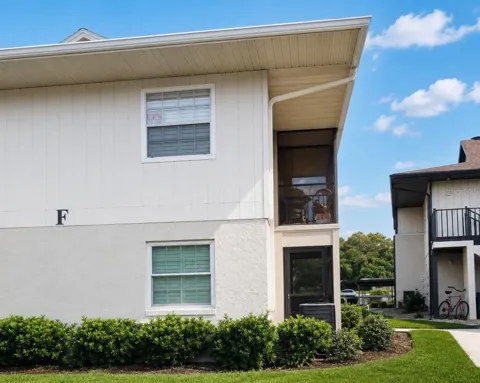
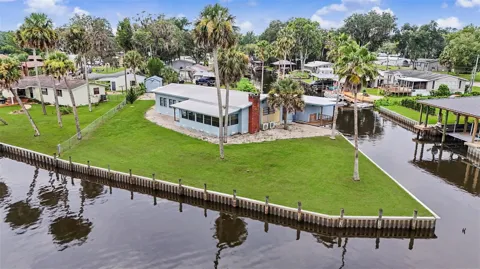
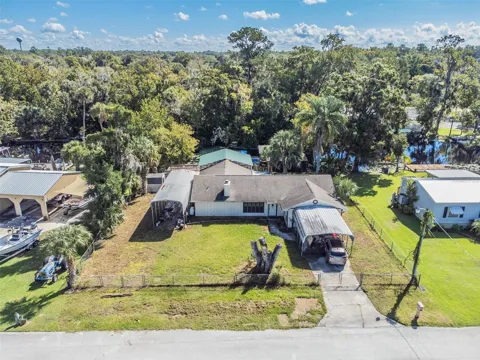
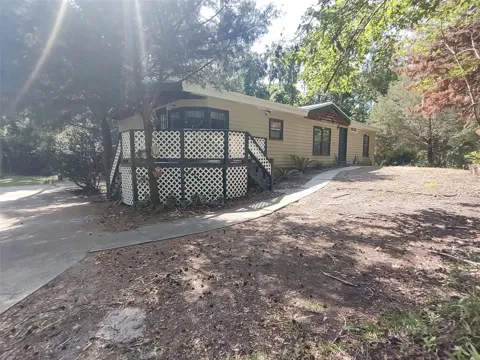
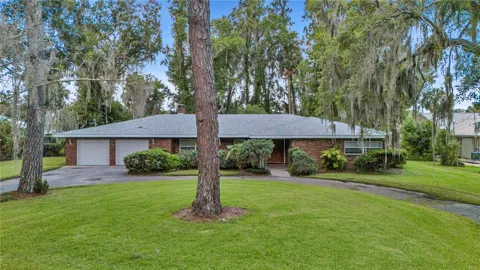
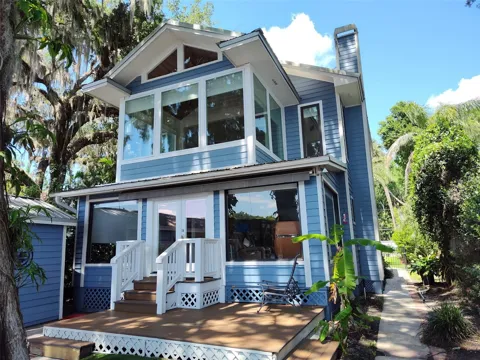
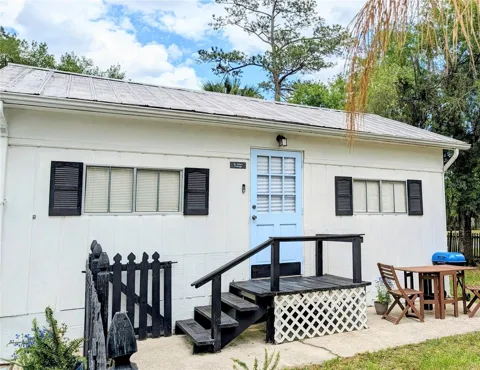
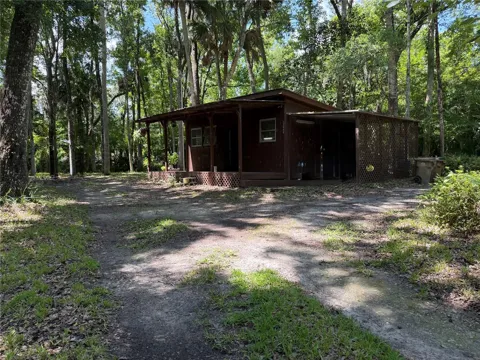
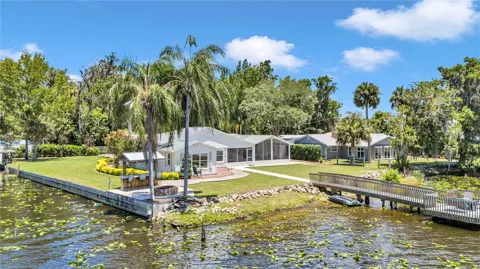
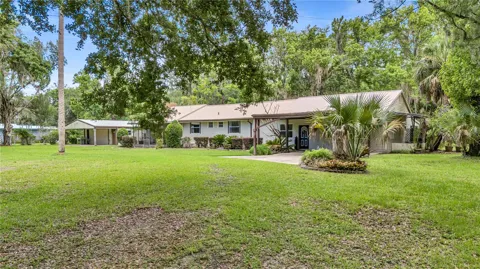
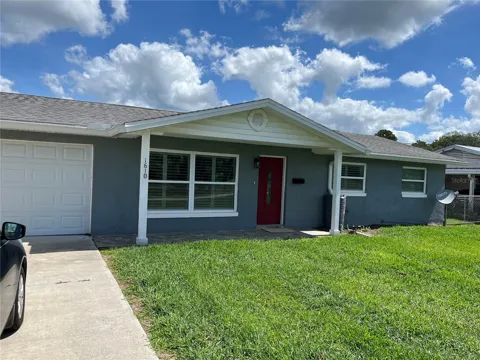
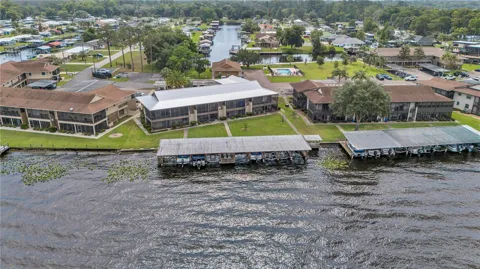
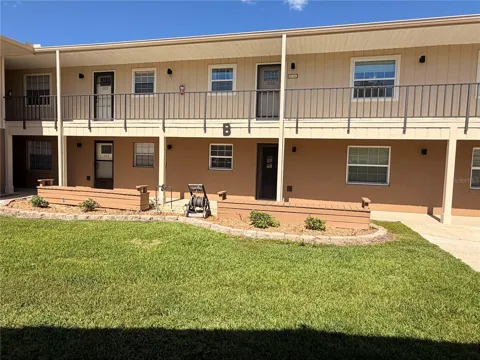
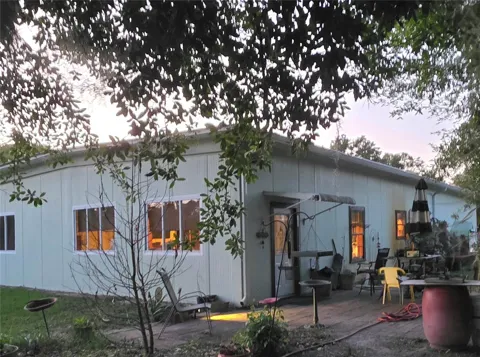
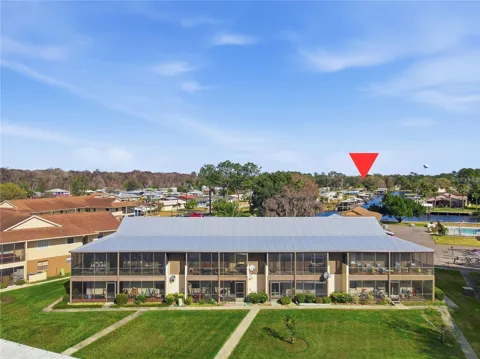
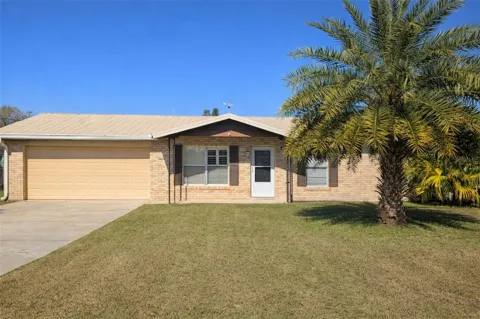
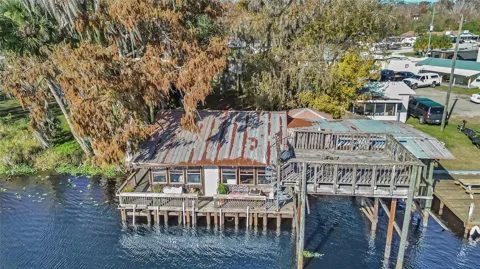
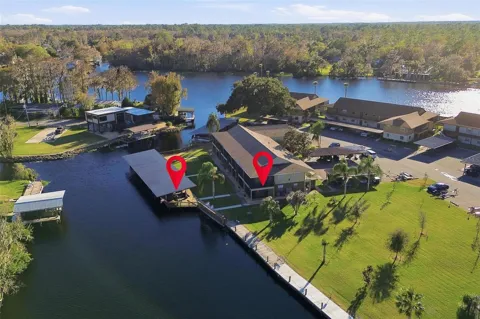
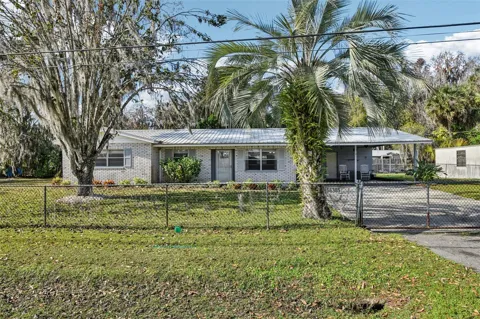
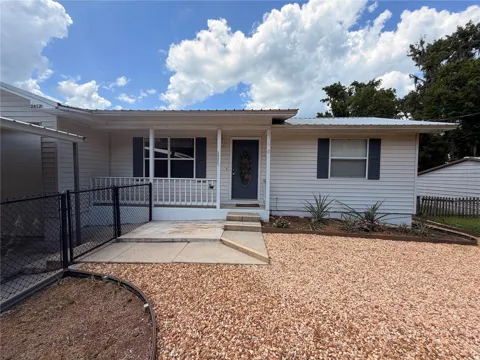
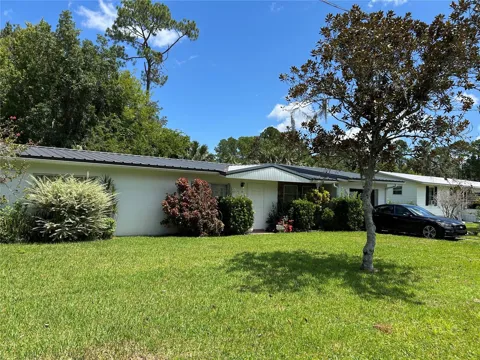
Astor's housing reflects its identity as a rural river community. The stock includes modest single-family homes, riverfront and canal-front properties, and manufactured homes, reflecting the area's popularity with retirees and seasonal residents. Many properties are oriented toward the water, with boat docks and direct access to the St. Johns River and its connecting lakes. The suburban-rural mix means homes are spread out along wooded roads rather than concentrated in dense subdivisions. Most residents own their homes, and the market offers a more attainable entry point to Central Florida riverfront living than the region's larger lake communities.
Astor is an unincorporated community spread along the St. Johns River and State Road 40, with no formal municipal boundaries or centralized downtown. Development clusters near the river crossing and along the waterways, with canal-front and riverfront neighborhoods extending along the shore. Astor Park lies to the west, and the Volusia County community of Volusia sits across the river to the east, forming a continuous, loosely organized river community. This dispersed, water-oriented pattern—where homes, marinas, and woodland intermingle—defines Astor's neighborhood character and its close relationship with the river and forest.
Life in Astor revolves around the St. Johns River and the surrounding natural landscape. The community is a traditional gateway to the upper St. Johns River, and boating, fishing, and river access are woven into daily life. Astor has a suburban-rural mix, with most residents owning their homes and a significant retiree population drawn by the quiet, riverside setting. The pace is relaxed and unincorporated, with local marinas, fish camps, and riverside businesses serving the boating community. For those seeking a low-key Florida lifestyle oriented around water and forest rather than development, Astor offers a distinctive, unhurried alternative.
Public education in Astor is provided by the Lake County Schools system, which serves the unincorporated community and the surrounding area. Because Astor is a small, dispersed community, students travel to schools in nearby Lake County communities, and the district provides the full range of elementary through high school programs. For a rural, retiree-oriented area, the school system is a smaller part of the community's identity than in more family-dominated towns, but it remains an important service for the families who call the Astor area home.
Recreation in Astor is dominated by the St. Johns River and the Ocala National Forest. The river supports boating, fishing, and wildlife viewing across its network of lakes and tributaries, with local marinas and boat ramps providing access. The Ocala National Forest, immediately to the west, offers hiking, camping, and spring recreation, including Alexander Springs about ten miles southwest of the community. The forest's extensive trail system and spring-fed swimming areas give residents year-round outdoor options, while the river itself remains the community's defining recreational resource.
MARKET SNAPSHOT
How homes have been selling here over the last 90 days.
Market data reflects closed sales over the last 90 days and is provided for informational purposes.
BROWSE BY ZIP
Browse listings by postal code in this area.